


I woke up one morning and couldn’t see out of my left eye.
I was 26, healthy, and six months pregnant with my first child. My husband was somewhere in hurricane-ravaged New Orleans, and I hadn’t heard his voice in nearly two weeks. I didn’t know if he was dead or alive.
Hurricane Katrina had devastated the city we called home. I evacuated to Washington, DC, while my husband, a first-year medical resident, was required to remain behind as essential hospital personnel.
For 11 days, there was silence. No calls. No messages. No way to know whether he was safe or whether I would ever see him again.
During the day, I tried to be strong, holding my fears inside and reassuring everyone that things would be okay. But at night, when the house was quiet, I lay awake praying and weeping silently, so no one would hear me.
Then one morning, I woke up unable to see out of one eye. Terrified, I was rushed to the ER by my sister. Doctors ultimately diagnosed an ocular migraine, believed to have been triggered by extraordinary stress.
I thought I was managing. I thought remaining composed meant being strong – but my body was telling a different story.
That January, my daughter Naya was born more than five weeks premature, following a traumatic delivery in an overwhelmed New Orleans hospital. Her birth changed my life—and fundamentally reshaped my understanding of how deeply our physical and emotional health are intertwined.
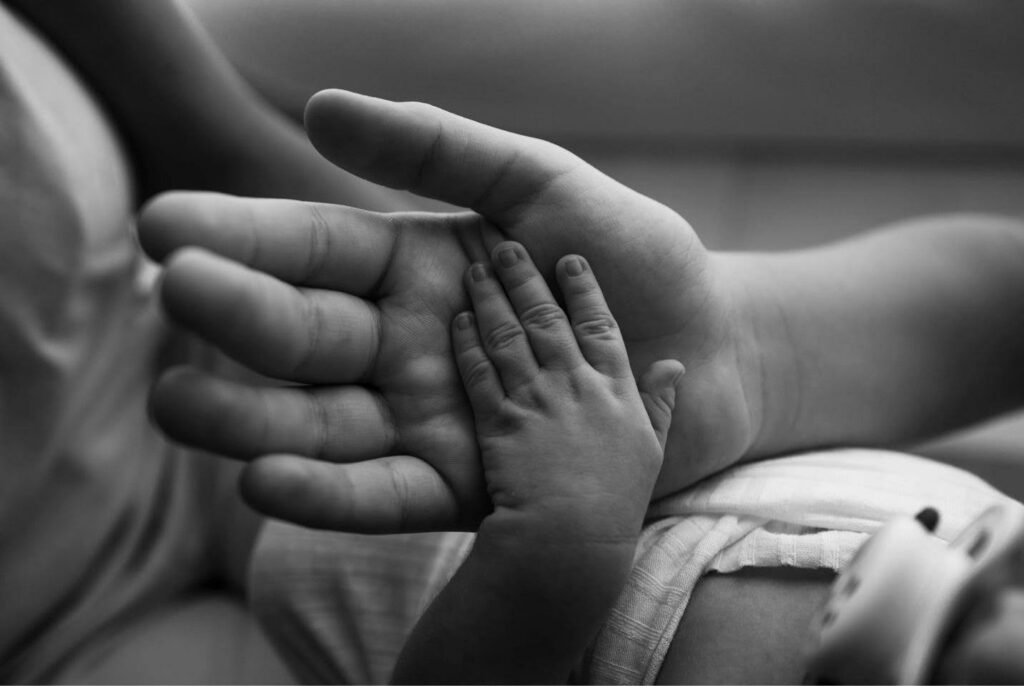
What I came to understand is that a mother’s emotional well-being is not separate from her baby’s physical development. The science increasingly confirms this. A large meta-analysis involving more than 5.6 million pregnancies found that exposure to stressful life events during pregnancy was associated with a 20% higher risk of premature birth and a 23% higher risk of low birth weight. Other research has identified associations between prenatal maternal distress and differences in the developing brain, particularly in areas responsible for emotional regulation and stress responses.
The implications are profound. When a pregnant woman is living through war, displacement, violence, or disaster, the consequences of that experience may extend beyond her own mental health. They may also influence the earliest stages of her child’s development.
For me, this reinforces a fundamental truth: Caring for a mother’s mental health is also part of caring for her baby’s health.
At the time of Naya’s birth, I was pursuing a Master of Public Health (MPH) at George Washington University, concentrating in health policy. Soon after, I transferred to Tulane University in New Orleans, shifting to a dual concentration in Maternal Newborn and Child Health (MNCH), and Health Education.
I wanted to understand more about what was happening to mothers and babies in the community around me. Through my studies and research on maternal health outcomes in post-Katrina New Orleans, I began understanding how profoundly health is shaped by forces beyond our control.
Our zipcode. The color of our skin. The safety of our neighborhoods. The stability of our homes. The stress we carry. Health is shaped not only by biology and medical care, but by our environments and the systems surrounding us.
Here’s what I know for sure: We must care for mothers holistically, considering their mental well-being and environment alongside physical health.
A Second Lesson: Understanding Infant Mental Health
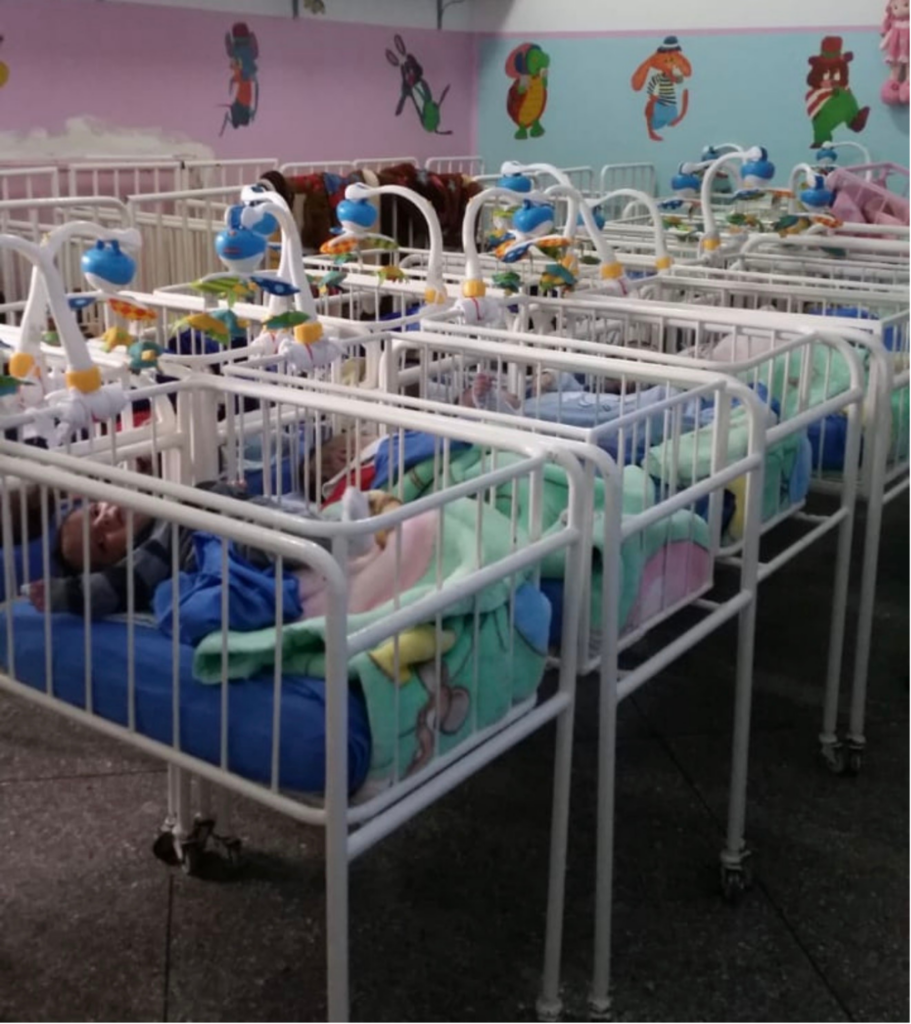
Years later, adopting my youngest son, Younes, from an orphanage in Morocco further deepened my understanding. If Naya’s birth awakened me to maternal mental health, Younes taught me about infant mental health—how early experiences of safety, attachment, and connection shape us before we have words to describe them.
As I learned more about infant brain development and the effects of early separation and trauma, I understood that sometimes trauma appears in how a child responds to touch, seeks reassurance, or struggles to feel safe. Healing can also begin before words—through consistent care, responsive relationships, play, and trust.
One child taught me that a mother’s mental health matters. Another taught me that an infant’s emotional world matters just as deeply. Together, these experiences helped shape BLOOM Charity’s philosophy of care.
Beyond Survival: Why Mental Health & Psychosocial Support (MHPSS) Must Be Part of Humanitarian Care
When a mother struggles to feed her child, find water, or keep her family safe, mental health support may seem like a luxury. But these needs are deeply interconnected. A mother can receive food and medical care while living in constant fear. A baby can be fed and sheltered yet still need emotional safety, connection, and responsive caregiving.
Survival is essential. But survival alone is not the measure of well-being. Supporting maternal mental health also strengthens the conditions in which infants develop and thrive.
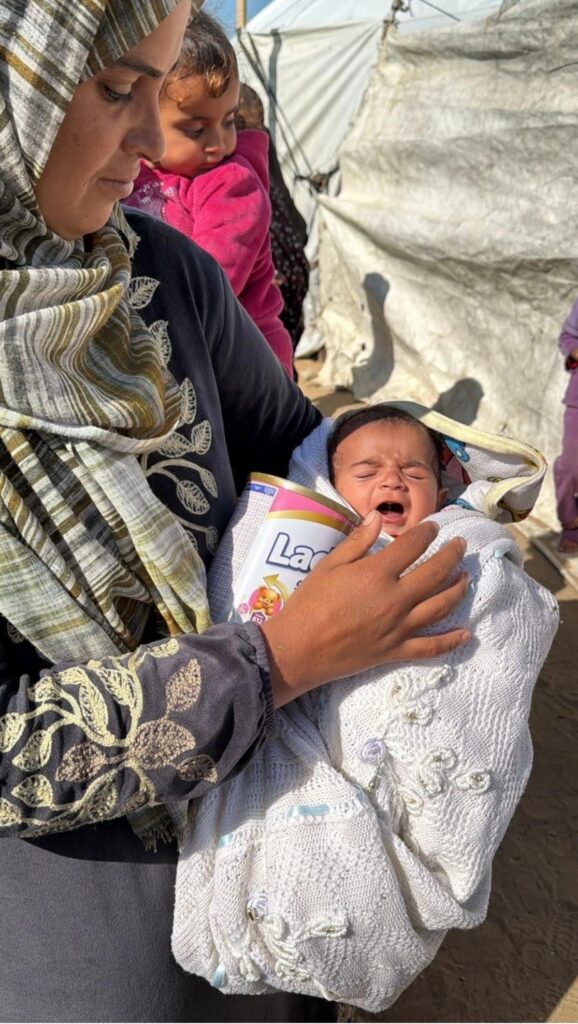
This understanding guides BLOOM’s humanitarian work. In Gaza, alongside daily meals, clean water, infant formula, diapers, and essential supplies, BLOOM provides therapeutic play and psychosocial support activities for women and children living in internal displacement camps.
Across Morocco, Pakistan, Egypt, and Afghanistan, we similarly invest in nurturing environments, therapeutic support, and opportunities for emotional healing.
Our work is grounded in one conviction: every child has a right to childhood, and every mother deserves care that honors her whole humanity. Food, shelter, and medical care matter. So do emotional safety, connection, dignity, joy, and hope.
Integrating Mental Health Doesn’t Require Creating New Programs
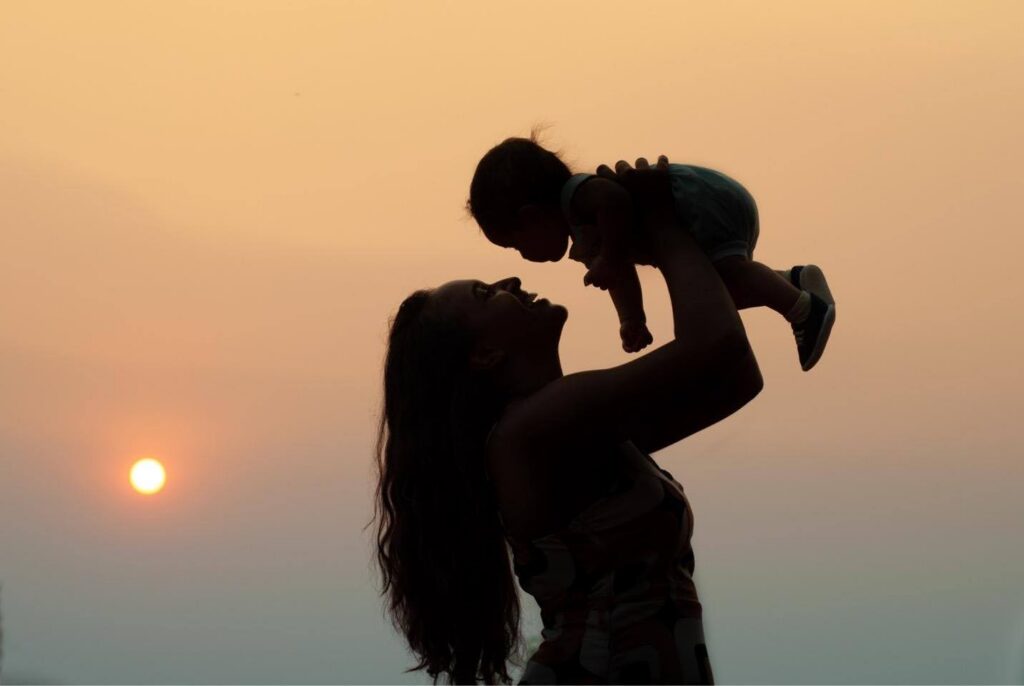
For 20 years, my experiences—from pregnancy and childbirth during a devastating natural disaster to adopting a child who experienced early separation—have shaped my commitment to maternal and infant mental health. What began as a personal journey became an academic pursuit and ultimately a humanitarian mission.
The message BLOOM is championing is clear: Mental health and psychosocial support (MHPSS) must become an integral part of MNCH programming. And doing so does not always require creating entirely new programs.
Mental health is already part of every interaction with those we serve. A nurse providing prenatal care. A humanitarian worker distributing food. A community health worker visiting a new mother. A caregiver comforting a distressed child.
With appropriate training, these individuals can become the first line of trauma-informed support—recognizing distress, responding sensitively, fostering emotional safety, facilitating peer support, and connecting families with specialized services.
We are not asking frontline workers to become therapists. We are asking that they be equipped to recognize distress, respond with compassion, create emotionally safe environments, and connect those who need additional support with appropriate care. Even modest changes to existing programs can strengthen connection, dignity, healing, and long-term outcomes.
We do not have to choose between meeting immediate humanitarian needs and supporting emotional well-being. We can—and must—do both.
Championing a More Holistic Approach to Care in Istanbul
This week, I am headed to the Every Pregnancy Coalition’s Annual Convening to moderate a conversation on practical, cost effective and sustainable ways the 80+ coalition member organizations can join the movement to integrate mental health support into their MNCH programs.
My hope is that organizations leave the conversation understanding that mental health integration is not an additional burden on MNCH programming, and it does not necessarily require building new programs, hiring teams of psychologists, or making significant new financial investments. This integrated, holistic approach is an opportunity to make the work humanitarian organizations are already doing more effective, more humane, and more sustainable.
Some ways organizations can begin the work include:
- Train frontline workers to recognize emotional distress. Midwives, nurses, community health workers, and volunteers are often the first people a mother turns to. Basic training in Psychological First Aid (PFA), compassionate communication, and recognizing warning signs can make these interactions more supportive.
- Create opportunities for mothers to feel heard and supported. Incorporating simple emotional check-ins into prenatal and postnatal visits, establishing peer-to-peer support circles, or creating safe spaces for mothers to connect can help reduce isolation and identify those who need additional care.
- Build mental health into existing care pathways. Organizations can establish simple, confidential screening and referral processes so mothers experiencing depression, anxiety, trauma, or other mental health challenges can be connected to appropriate support. Screening should only be introduced when safe follow-up and referral options are available.
- Support the caregivers, too. Frontline humanitarian and health workers carry enormous emotional burdens themselves. Providing supportive supervision, opportunities for peer connection, and access to mental health resources helps protect the people responsible for caring for others.
- Measure emotional well-being alongside physical health outcomes. We already track maternal mortality, birth outcomes, nutrition, and access to care. We should also begin measuring whether mothers feel supported, safe, connected, and emotionally equipped to care for themselves and their children.
None of these steps replaces specialized clinical mental health care. But together, with appropriate training, safeguarding, and referral systems, they can help organizations build a more compassionate, responsive, accepted and effective continuum of care.
Twenty years ago, I was a frightened young mother, praying through the night for my husband’s safety, unaware of how profoundly that fear was affecting me and my baby. Today, I’m helping advance a conversation I wish had been part of my own care. I won’t stop until compassionate, trauma-informed, holistic care becomes the standard, not the exception.